Lipedema Has a Famous Face: The Stars Who Broke the Silence
At a Glance
- The Condition: Lipedema is a chronic fat disorder that causes a symmetrical, painful build-up of fat in the legs, hips and sometimes the arms. It affects almost exclusively women and does not respond to diet or exercise.
- The Stars: Josie Gibson, Maisie Smith, Minka Kelly, Julianne Hough, Shaughna Phillips and Yasmine Brunet are among the well-known women whose names are now associated with lipedema awareness.
- The Problem: Lipedema is still frequently mistaken for obesity or lymphedema, and many women wait years for a diagnosis.
- The Barrier: In the US, Canada, the UK and Ireland, surgical treatment is often refused or heavily restricted by insurers and public health systems.
- The Option: Lymph-sparing liposuction in Tunisia offers specialist treatment at a fraction of North American prices.
Celebrities Who Have Spoken About Lipedema
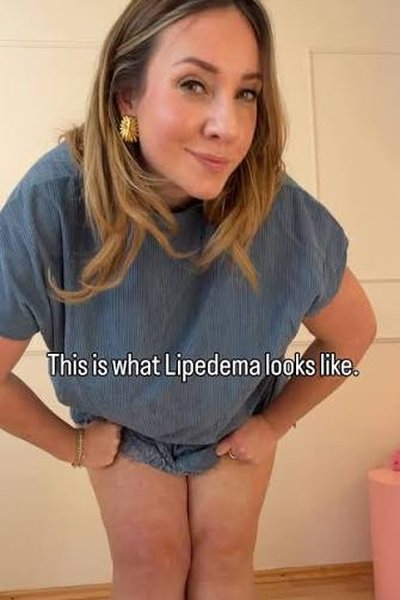




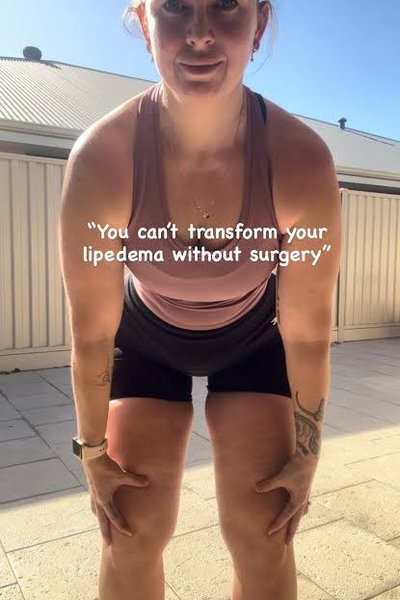
For years, lipedema was the condition nobody talked about. Women were told to eat less, exercise more, and accept legs that never seemed to change — no matter how disciplined they were. Many blamed themselves.
That silence is breaking. Television presenters, actresses, models and reality TV personalities have started to speak openly about legs that hurt, bruise easily and refuse to slim down. Their visibility is doing something medicine struggled to do for decades: putting a name on a disease that millions of women live with without knowing it.
When a famous woman says "this is lipedema", thousands of others recognize their own body for the first time. And that recognition is the first step toward the right diagnosis — and the right treatment.
Which Stars Have Been Linked to Lipedema?
They come from very different worlds — British television, Hollywood, reality TV, Brazilian fashion — but their stories share the same pattern: a body that does not respond the way it "should", public scrutiny of their legs, and the eventual discovery that the problem was medical, not a lack of willpower.
| Celebrity | Context |
|---|---|
| Josie Gibson | British TV presenter and Big Brother winner. One of the most recognizable faces of daytime television in the UK to be associated with lipedema. |
| Maisie Smith | British actress known for EastEnders and Strictly Come Dancing. Her name has helped bring lipedema to a younger audience. |
| Minka Kelly | American actress (Friday Night Lights). Her case shows that lipedema can affect slim, athletic women — not only women who are overweight. |
| Julianne Hough | American dancer and Dancing with the Stars professional. A reminder that even elite physical training does not make lipedema fat disappear. |
| Shaughna Phillips | British TV personality from Love Island. Her visibility on social media has encouraged many young women to question the shape of their legs. |
| Yasmine Brunet | Brazilian model. Her association with lipedema made headlines in Brazil, proving that the condition exists even in the fashion industry. |
Why Lipedema Is So Often Missed
Lipedema is not ordinary weight gain. It is a disorder of the fat tissue itself, which develops in a very specific way. Most of the time, it appears or worsens during periods of hormonal change: puberty, pregnancy, or menopause. Some estimates suggest that up to 1 woman in 10 may be affected to some degree, and the condition is now recognized in the World Health Organization's ICD-11 classification.
Yet many women go years without a name for what they feel. Doctors confuse lipedema with obesity, with lymphedema, or simply with "genetics". The typical signs are easy to recognize once you know them:
- Symmetrical fat: Both legs are affected in the same way, from the hips down to the ankles, while the waist and upper body can stay slim.
- The "cuff" at the ankle: The fat stops abruptly above the ankle, and the feet stay normal — one of the most characteristic signs.
- Pain and heaviness: The legs feel heavy, tender to the touch, and painful at the end of the day.
- Easy bruising: Bruises appear after the slightest knock, because the small blood vessels in the fat tissue are fragile.
- Resistance to diet: Weight may be lost from the face and upper body, but the legs barely change.
If several of these signs sound familiar, our guide to the symptoms of lipedema in the legs and how to know if you are affected will help you compare your situation with the different stages of the disease before talking to a specialist.
The Insurance Wall: Why So Many Women Cannot Get Surgery at Home
Conservative treatments — compression garments, manual lymphatic drainage, adapted exercise — can relieve pain and swelling. But they do not remove the diseased fat. Today, the only treatment that removes lipedema tissue is a specialized, lymph-sparing liposuction.
And this is where many women hit a wall. Even with a clear diagnosis, surgery is frequently classified as "cosmetic" by private insurers, while public systems impose strict criteria and long waiting lists. Patients find themselves paying out of pocket or giving up altogether. The situation varies from one country to another, and our page on lipedema surgery insurance coverage in the US, Canada, the UK and Ireland explains the restrictions you are likely to face and the documents usually requested by insurers.
Celebrities have the means to pay for private treatment. Most women do not — which is why more and more patients are looking abroad for specialist care at an accessible price.
The Surgical Solution: Lymph-Sparing Liposuction
Removing the Diseased Fat Without Damaging the Lymphatic System
Lipedema surgery is not a standard cosmetic liposuction. The surgeon must remove a large volume of abnormal fat while protecting the lymphatic vessels that run through the legs. Damaging them could worsen swelling and lead to secondary lymphedema.
This is why specialists use gentle, lymph-sparing techniques, performed along the axis of the limbs. Large or advanced cases are often treated in several stages — for example, thighs first, then knees and calves — to keep each procedure safe and to allow the body to recover between sessions.
Pain Relief, Mobility and Self-Confidence
For most patients, the benefits go far beyond appearance. Removing lipedema tissue typically reduces pain, heaviness and bruising, makes walking easier, and limits the progression of the disease. Many women describe the result as finally getting their legs — and their life — back.
The Cost Question: USA vs Tunisia
Price is often the deciding factor. In the United States, lipedema surgery is billed per area and per session, and a complete treatment of the legs can quickly reach several tens of thousands of dollars — often without any reimbursement. In Tunisia, the same specialist approach is available as an all-inclusive package for a much lower budget. Our detailed lipedema surgery cost comparison between the USA and Tunisia breaks down the prices area by area, so you can see exactly what you would save.
Who Would Perform Your Lipedema Surgery in Tunisia?
Choosing the surgeon matters more than choosing the country. Lipedema requires specific training, experience with high-volume liposuction, and a real understanding of the lymphatic system.
In Tunisia, lipedema patients treated through Medespoir are operated on by Dr. Youssef Gam, plastic surgeon specializing in lipedema surgery in Tunisia. His technique combines Vaser liposuction, Vibrofit and Quantum-RF BodyTite radiofrequency to remove lipedema fat, retract the skin and limit the risk of recurrence. Trained in the Total Definer approach of Dr. Alfredo Hoyos in Colombia, he is also listed in the International Medical Journal's "Top 30 Plastic Surgeons 2026" ranking.
Timing Matters: When Should You Consider Surgery?
Lipedema is a progressive disease. The earlier it is treated, the less tissue there is to remove and the better the results tend to be. Before planning surgery, a few conditions should be met:
- A confirmed diagnosis: Lipedema must be distinguished from obesity and lymphedema, as the treatment is different.
- A stable weight: Your weight should be stable for several months, so that the result is predictable and lasting.
- Commitment to aftercare: Compression garments, lymphatic drainage and regular movement are essential in the weeks following surgery to optimize healing.
The stars who spoke out did not cure their lipedema by talking about it. But they gave millions of women permission to stop blaming themselves — and to start looking for real treatment.