Beyond Weight Loss: The Radical Surgery That Cured John Kiriakou’s Diabetes
At a Glance
- The Patient: Former CIA officer John Kiriakou completely removed his healthy stomach to reverse a 21-year battle with Type 2 diabetes.
- The Procedure: He underwent an experimental robotic total gastrectomy (100% organ removal), normally reserved for stomach cancer.
- The Outcome: He lost 115 pounds and achieved total diabetes remission, stopping all medications within nine months.
- The Catch: The procedure is experimental, high-risk, paid fully out-of-pocket, and requires strict lifelong nutritional supplements (like Vitamin B12).
- The Science: Removing stomach tissue alters key metabolic hormones (ghrelin and GLP-1), proving that gut surgeries cure diabetes through hormonal shifts, not just calorie reduction.
[
Result before / after — Loss Wheight Kiriaku
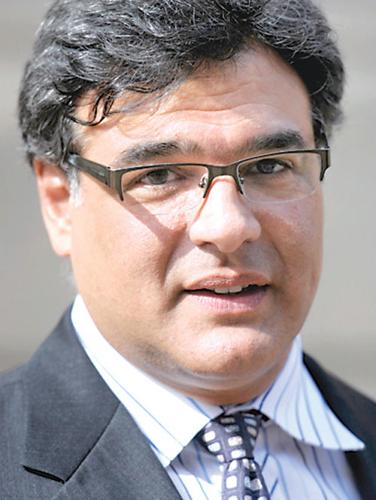

Imagine waking up one day and deciding to undergo a life-altering surgery—not to treat a terminal illness, but to end a two-decade-long battle with a metabolic disease.
John Kiriakou, a former CIA officer best known as a whistleblower, made headlines for a completely different reason: a shocking medical decision. To cure his 21-year battle with Type 2 diabetes, he chose to completely remove his healthy stomach.
While weight loss surgeries like gastric sleeves or bypasses are common around the world, Kiriakou’s procedure was far more drastic. It was an experimental step into the field of metabolic surgery—where surgeons operate on the digestive tract not just to reduce food intake, but to change how the body regulates blood sugar.
This article explores what a total gastrectomy is, how it compares to traditional weight loss operations, and what Kiriakou’s journey means for the future of diabetes treatment.
John Kiriakou’s Medical Gamble
For 21 years, John Kiriakou lived with Type 2 diabetes, a condition where the body cannot properly use or produce insulin, leading to high blood sugar levels. Over time, managing his condition meant strict diets, multiple daily medications, and constant insulin injections.
Seeking a permanent solution, he chose a radical path: an experimental robotic total gastrectomy—the complete surgical removal of the stomach.
The medical results were dramatic:
- Weight Loss: He lost 115 pounds within nine months.
- Diabetes Remission: He successfully stopped taking all diabetes medications and insulin.
- Health Markers: His blood sugar levels stabilized within a healthy range.
However, taking this route came with a catch. Because a total gastrectomy is not an approved or standard treatment for Type 2 diabetes, medical insurance companies refused to pay for it. Kiriakou had to pay for the expensive, experimental operation entirely out-of-pocket.
Total Gastrectomy vs. Standard Weight Loss Surgeries
To understand how radical Kiriakou’s surgery was, it helps to compare it to standard, widely accepted weight loss operations.
| Procedure | Total Gastrectomy | Gastric Sleeve | Gastric Bypass |
|---|---|---|---|
| Main Action | 100% of stomach removed | ~80% of stomach removed | Small pouch created; stomach bypassed |
| Digestive Path | Esophagus stitched directly to small intestine | Stomach reshaped into a narrow sleeve | Small intestine re-routed to new upper pouch |
| Primary Medical Use | Stomach cancer or high genetic risk | Standard weight loss surgery | Gold standard for severe obesity & diabetes |
| Approval Status | Experimental for diabetes | FDA-Approved | FDA-Approved |
Total Gastrectomy (The Radical Path)
100% of the stomach is removed. The surgeon stitches the esophagus (food pipe) directly to the small intestine. This operation is reserved almost exclusively for severe stomach cancer or high-risk genetic mutations. It is extremely rare and risky to perform this operation for diabetes alone.
Gastric Sleeve (The Volume Reducer)
About 80% of the stomach is removed, leaving a narrow tube or "sleeve" roughly the size of a banana. This is a standard, FDA-approved weight loss surgery that helps patients feel full faster while keeping the basic structure of the digestive path intact.
Gastric Bypass (The Reroute)
No organs are removed. Instead, the surgeon creates a tiny pouch at the top of the stomach and connects it directly to a lower section of the small intestine, bypassing most of the stomach. It is known as the "gold standard" for treating both severe obesity and Type 2 diabetes, leading to rapid disease remission in many patients.
The Science: How Does Removing a Stomach Cure Diabetes?
How can changing or removing an organ cure a disease related to blood sugar? The answer goes far beyond simply eating fewer calories.
1. More Than Calories
While weight loss naturally improves insulin sensitivity, surgery causes instant metabolic changes before any weight loss occurs. Many patients notice improved blood sugar levels within days of an operation.
2. The Hormonal Shift
The stomach is not just a food blender; it is an active endocrine (hormone-producing) organ.
- Ghrelin: Known as the "hunger hormone," ghrelin is primarily produced in the stomach lining. Removing or shrinking the stomach drastically lowers ghrelin levels, eliminating persistent hunger cues.
- Incretins: Altering the digestive pathway changes how gut hormones like GLP-1 (incretins) are released into the bloodstream when food enters the small intestine.
3. Pancreatic Jumpstart
By rerouting or removing stomach tissue, food reaches the lower small intestine much faster. This rapid arrival triggers the release of metabolic signals that tell the pancreas to produce insulin more effectively and lower insulin resistance across the body.
Risks, Realities, and Living Without a Stomach
Despite Kiriakou’s success, living without a stomach presents significant daily challenges and health risks.
Nutritional Challenges
Without a stomach, the body loses its ability to break down certain nutrients and absorb critical vitamins.
- Lifelong Supplementation: Patients must take daily vitamins and regular injections of Vitamin B12, which can no longer be absorbed naturally through the gut.
- Dietary Changes: Since there is no stomach to hold food, patients must eat tiny, high-protein meals 6 to 8 times a day for the rest of their lives.
- Dumping Syndrome: Eating foods high in sugar can cause rapid shifts in fluid and hormones, leading to nausea, cramping, and severe weakness.
Why It Remains Experimental
Total gastrectomy carries a much higher risk of surgical complications, severe malnutrition, and long-term health issues compared to standard bariatric procedures. Because safe, FDA-approved alternatives like the gastric bypass offer similar diabetes remission rates with far lower risks, total gastrectomy is not a recommended or mainstream medical treatment for diabetes.